
When Art Covered the Hills
At sunrise on October 9, 1991, something extraordinary began to unfold.
In two places across the world—
the rolling hills of California and the countryside of Ibaraki, Japan—
workers, guided by Christo and Jeanne-Claude, began opening thousands of umbrellas.
Over 3,100 in total.
For eighteen days, the landscape was transformed.
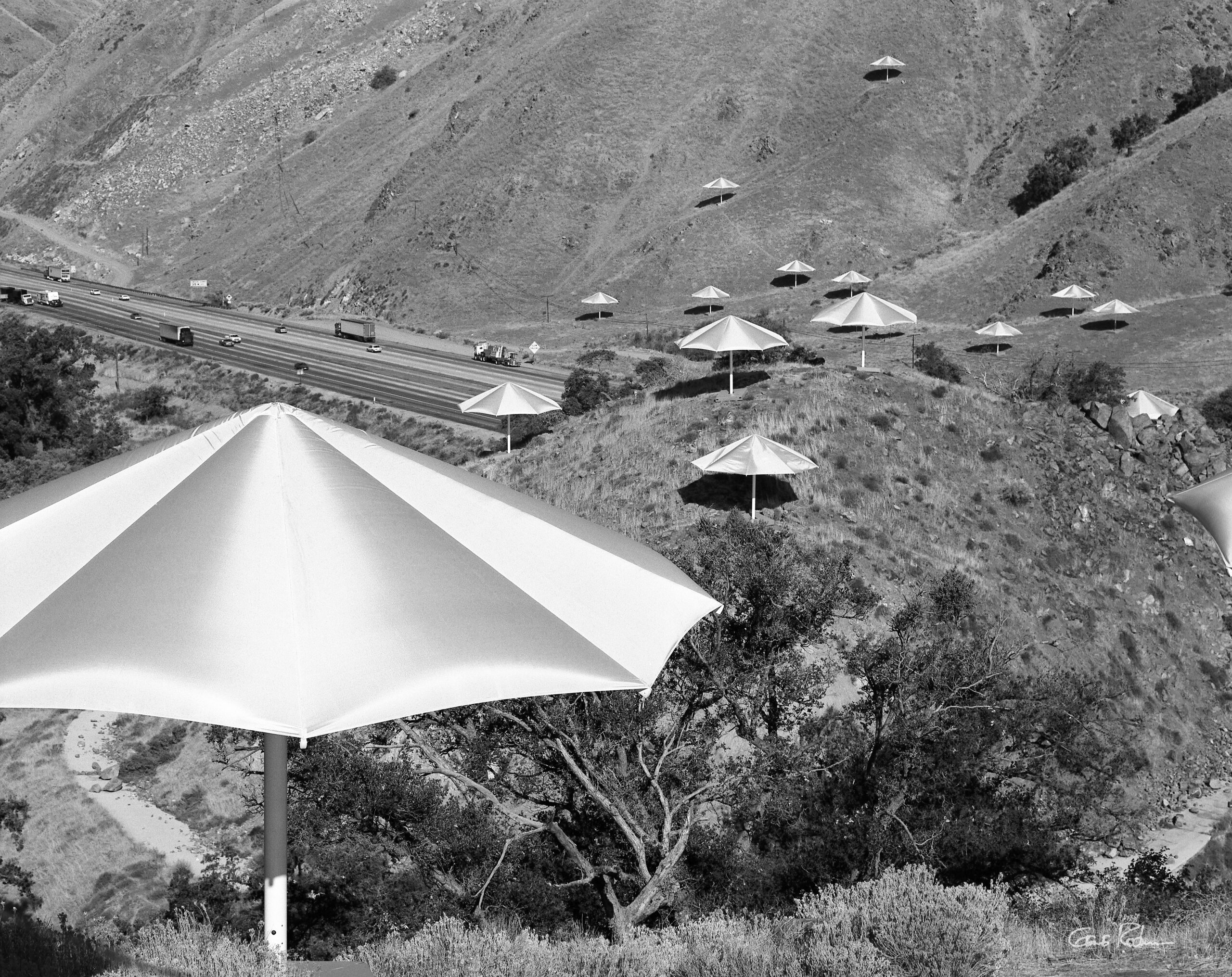
In California, 1,760 yellow umbrellas stretched across the hills along Interstate 5, from Gorman to the Grapevine.
In Japan, 1,340 blue umbrellas appeared across the fields north of Tokyo.
What emerged was not just an installation, but a conversation between two distant landscapes—connected through form, color, and scale.
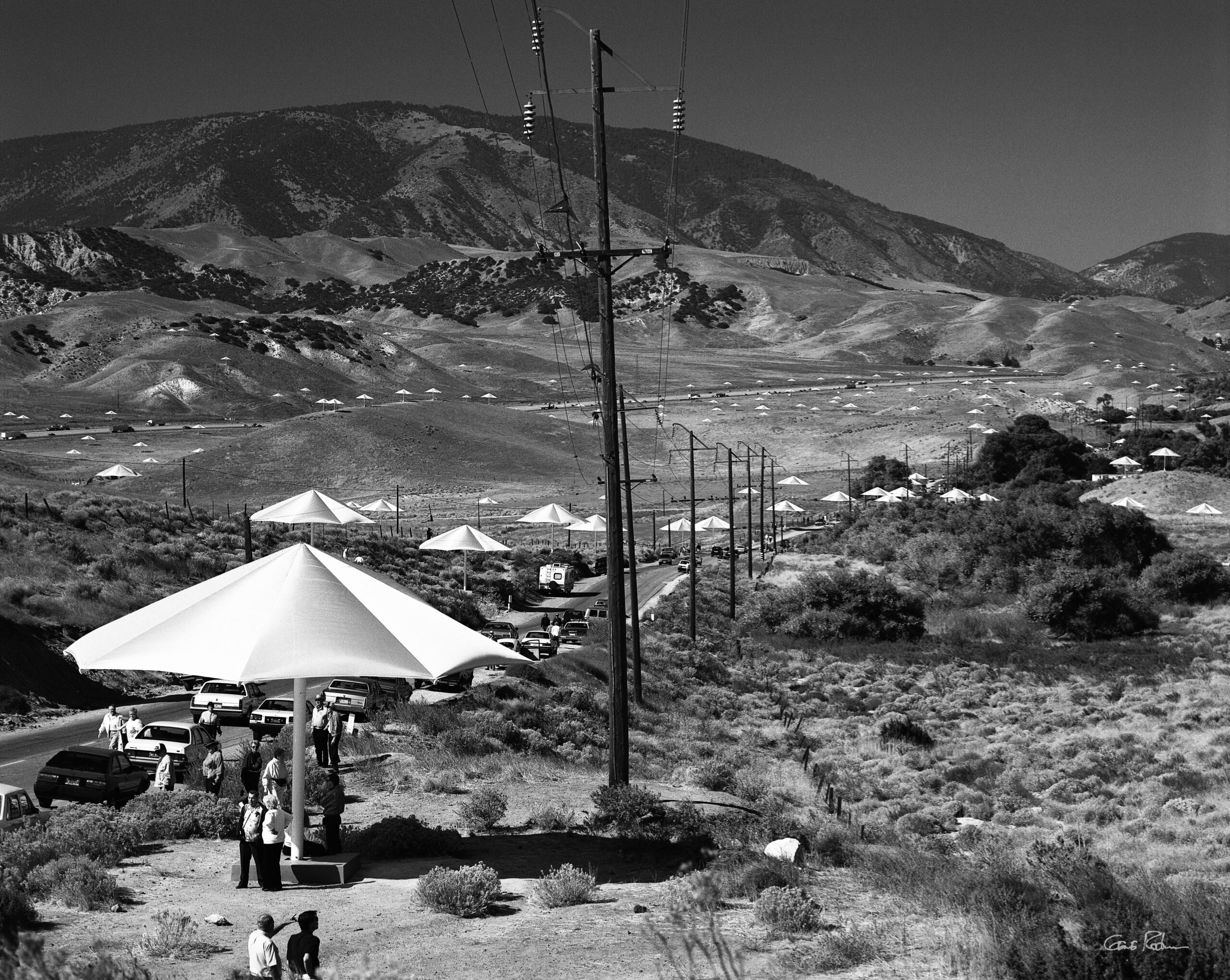
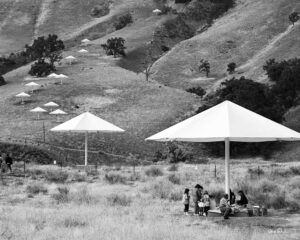
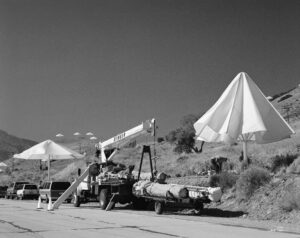
Each umbrella stood nearly 20 feet high,
spanning over 28 feet in diameter,
weighing 448 pounds without its base.
But numbers alone don’t capture what it felt like to stand among them.
We didn’t just see it—
we experienced it.
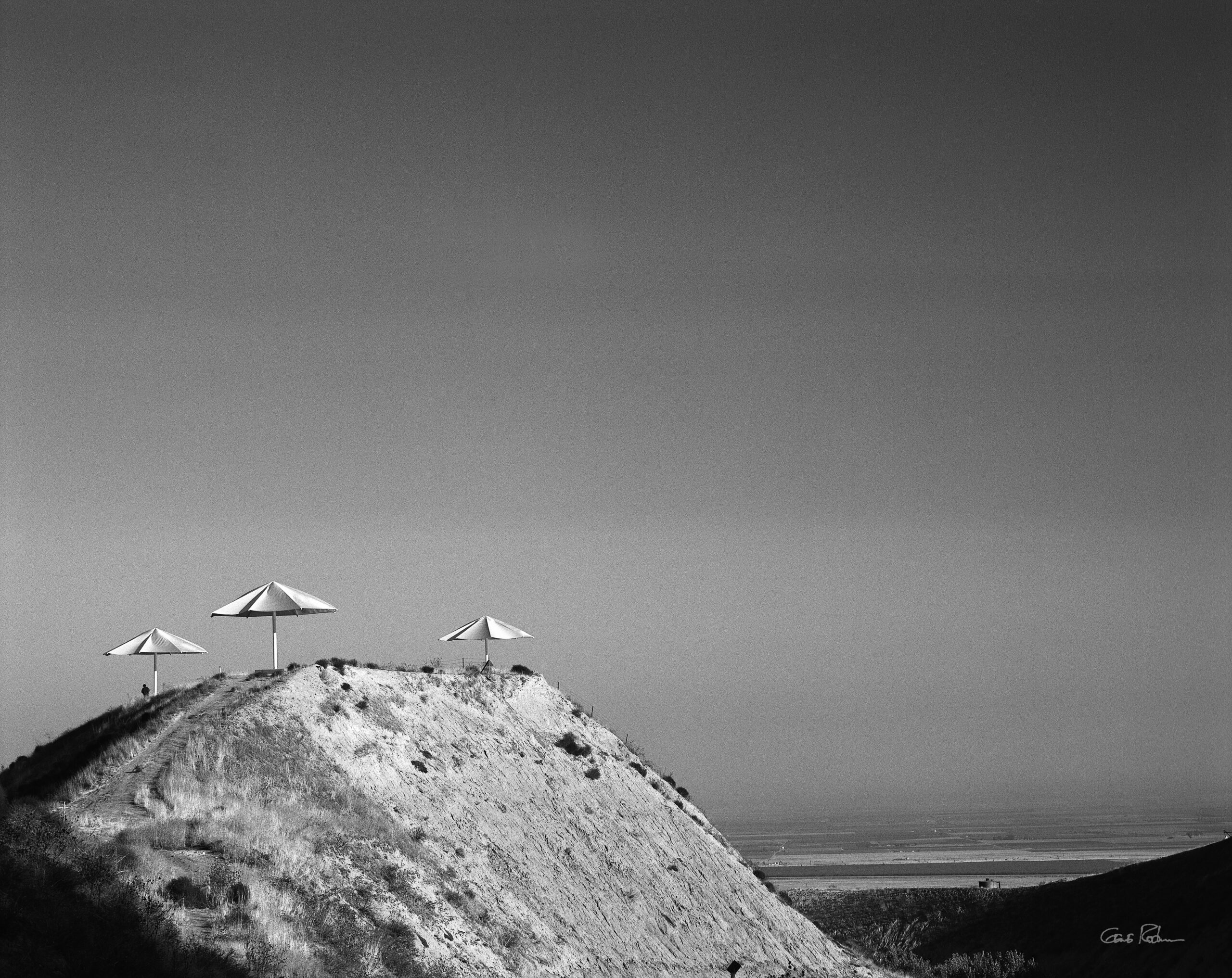
I found myself thinking about the scale of what they had created,
and the care it must have taken to place each one exactly where it belonged.
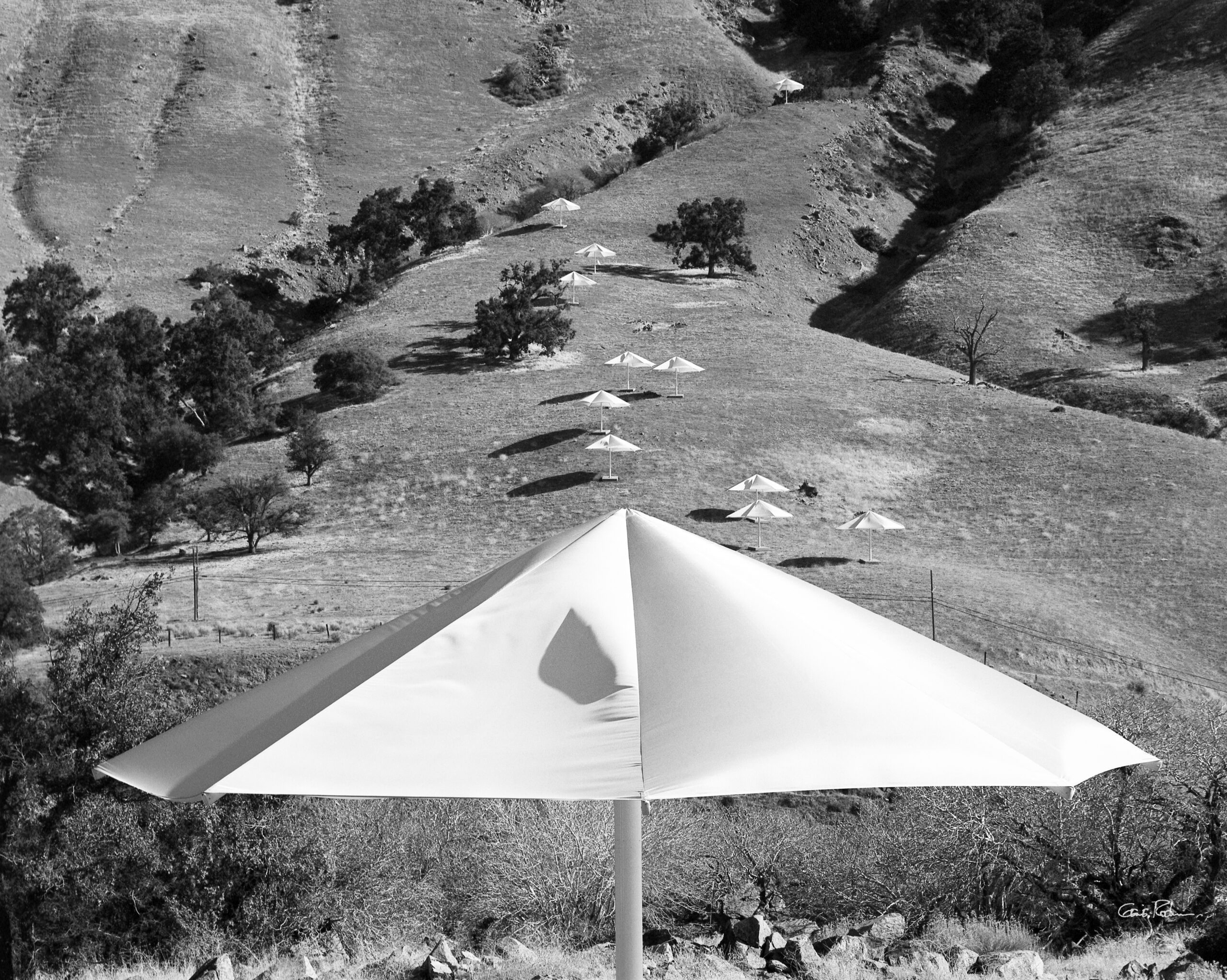
What made the project even more remarkable was how it came into being.
Every part of it—over $26 million—was funded entirely by the artists themselves.
Through the sale of their drawings, studies, collages, and earlier works, they brought the vision to life.
They accepted no sponsorships.
No donations.
No public funding.
Every worker was paid.
Every permit secured.
Every detail—insurance, docents, even additional police—was handled by the artists.
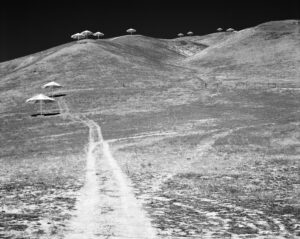
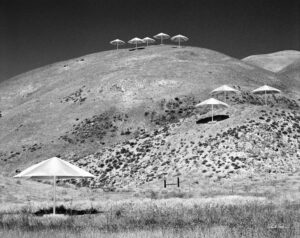
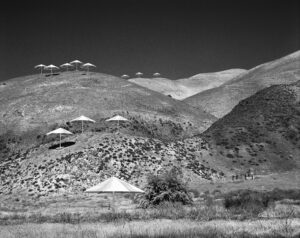
How I Found Myself There
In the fall of 1991, while I was attending college, my photography teacher mentioned an environmental art project that was opening along Tejon Pass, north of Los Angeles.
She described umbrellas placed across the landscape and suggested that someone from the class should go photograph it.
I didn’t know anything about the project but I was curious to see what they were all about.
It felt like an opportunity to see—and photograph—something different.
I asked my son if he wanted to go with me.
He had a friend living in Bakersfield, right along the way, so we invited him as well.
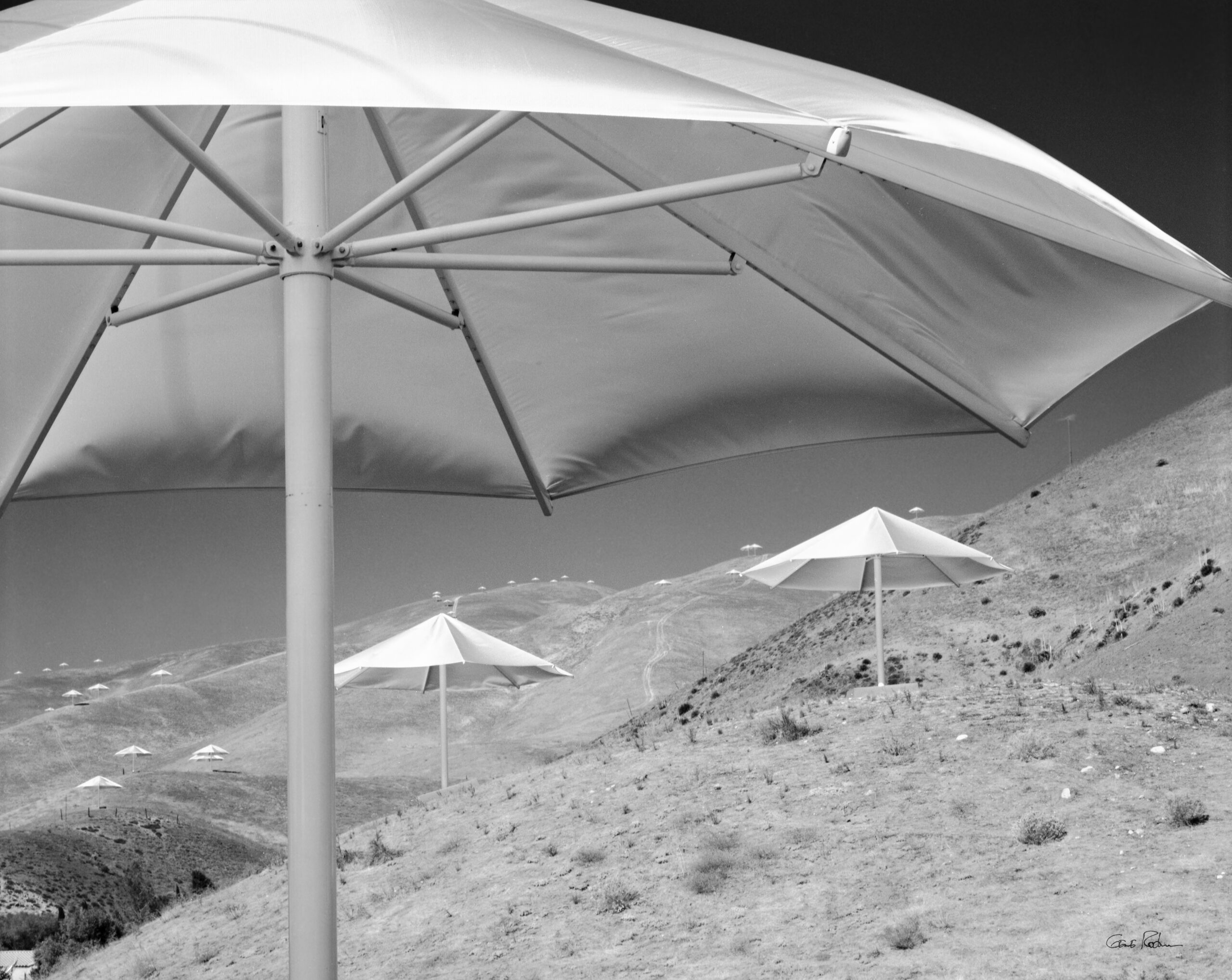
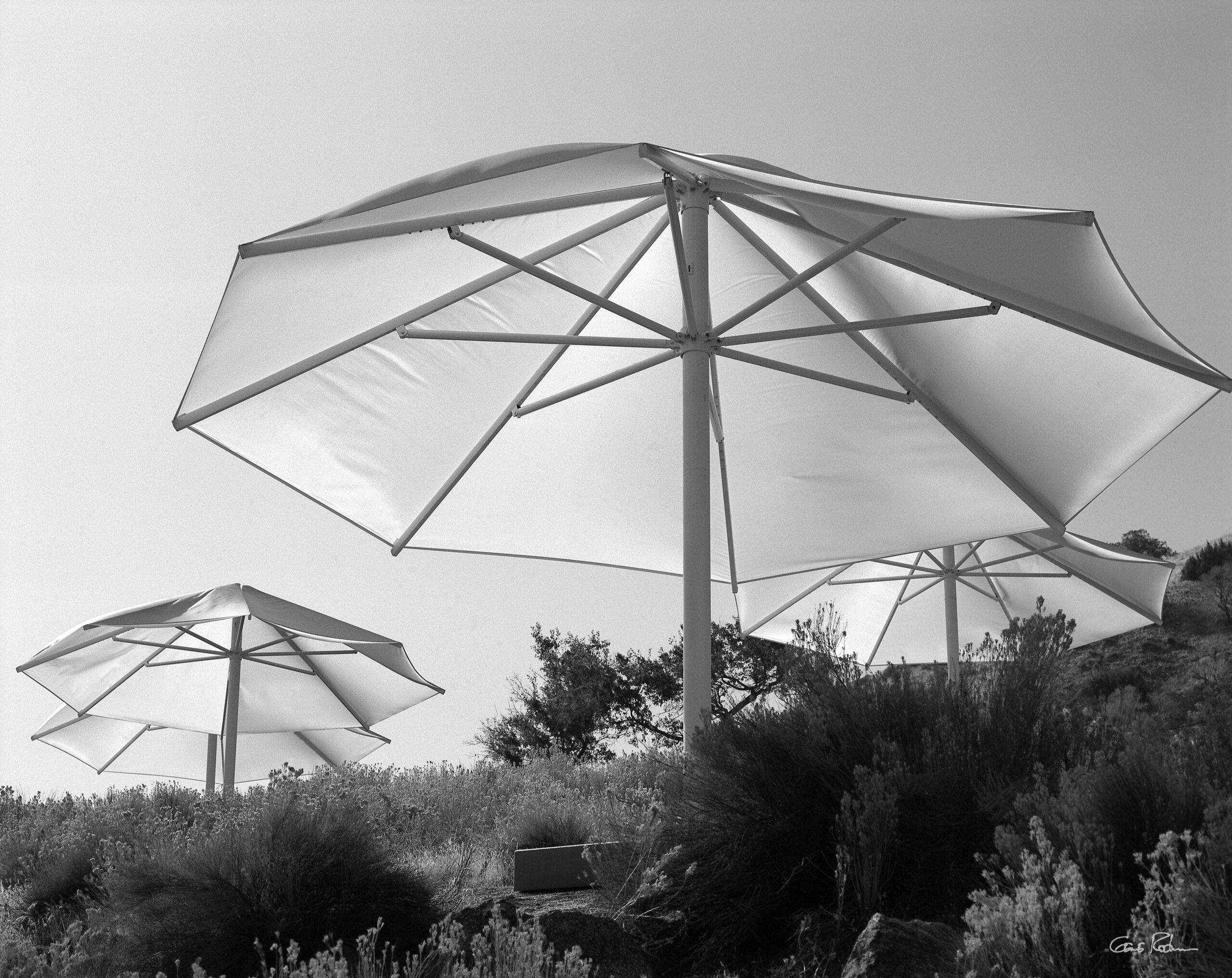
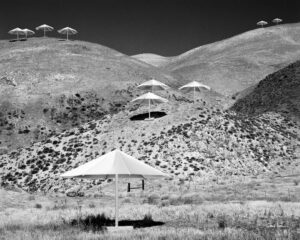
As the wind moved through the pass, the umbrellas shifted and breathed with it.
The sunlight passed through them, giving them a translucent quality that changed from moment to moment.
It wasn’t just something to look at—
it was something alive within the landscape.
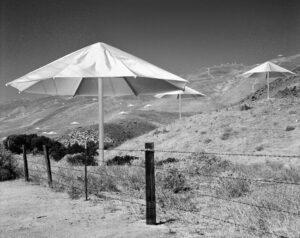
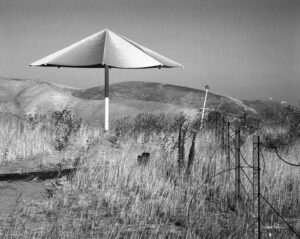
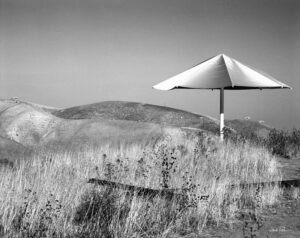
We spent several hours driving through different areas of the pass, exploring where the umbrellas had been placed.
I had brought my medium format camera, a tripod, and several types of black and white film—along with yellow, orange, and red filters.
I had no color film with me.
The yellow umbrellas were so vibrant, so visually overwhelming, that color almost felt unnecessary.
Black and white photography draws attention to something else—
to tone, to form, to composition.
It allowed me to see beyond the color and focus on how the umbrellas had been placed within the landscape.
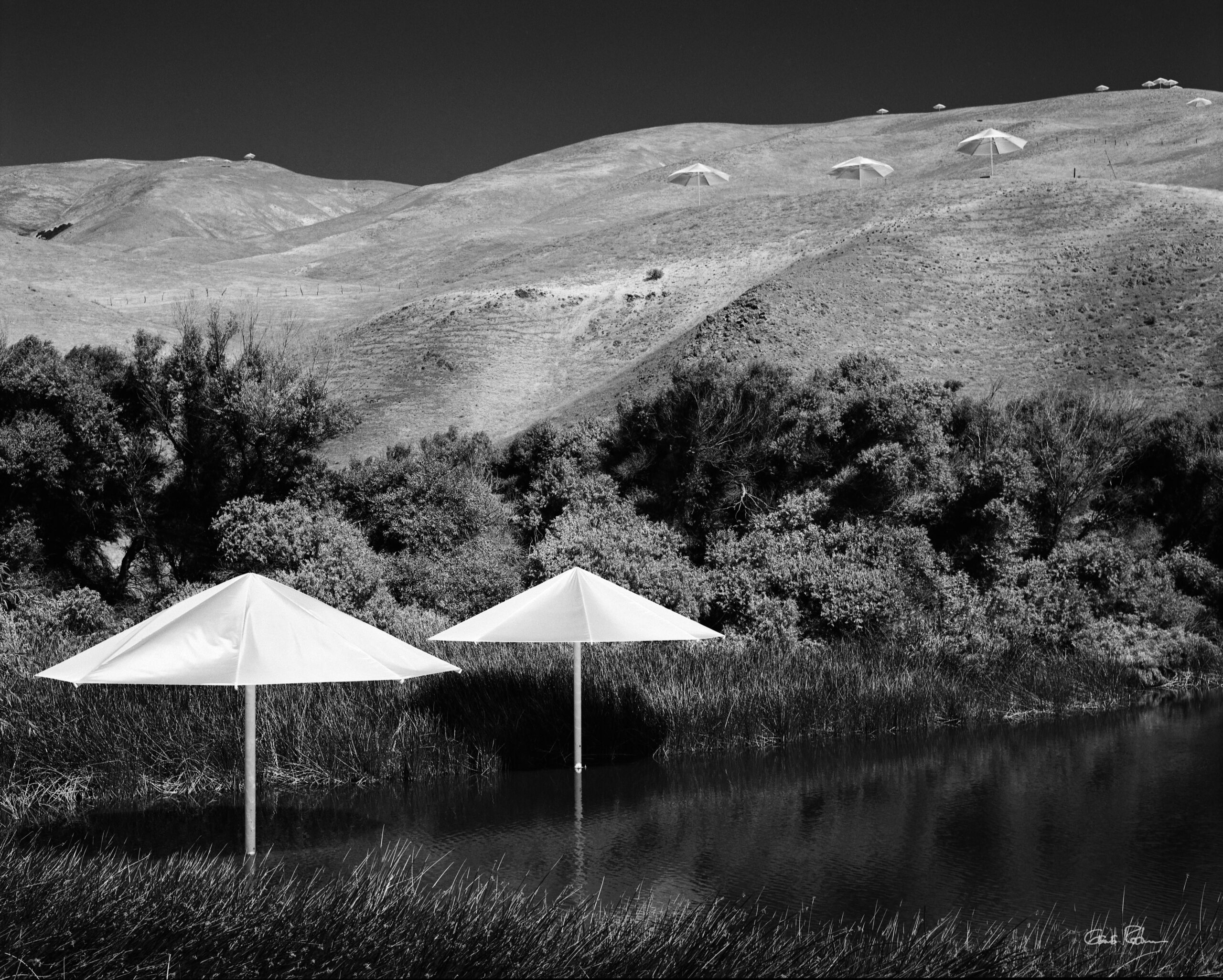
Every image was taken on a tripod. I only had 5 rolls of film with 10 exposures each so I had to be very particular about the technical aspects of each image as well as the composition.
I also experimented with the filters to darken the sky and lighten the umbrellas. I didn’t know what they would look like until I developed them in the darkroom
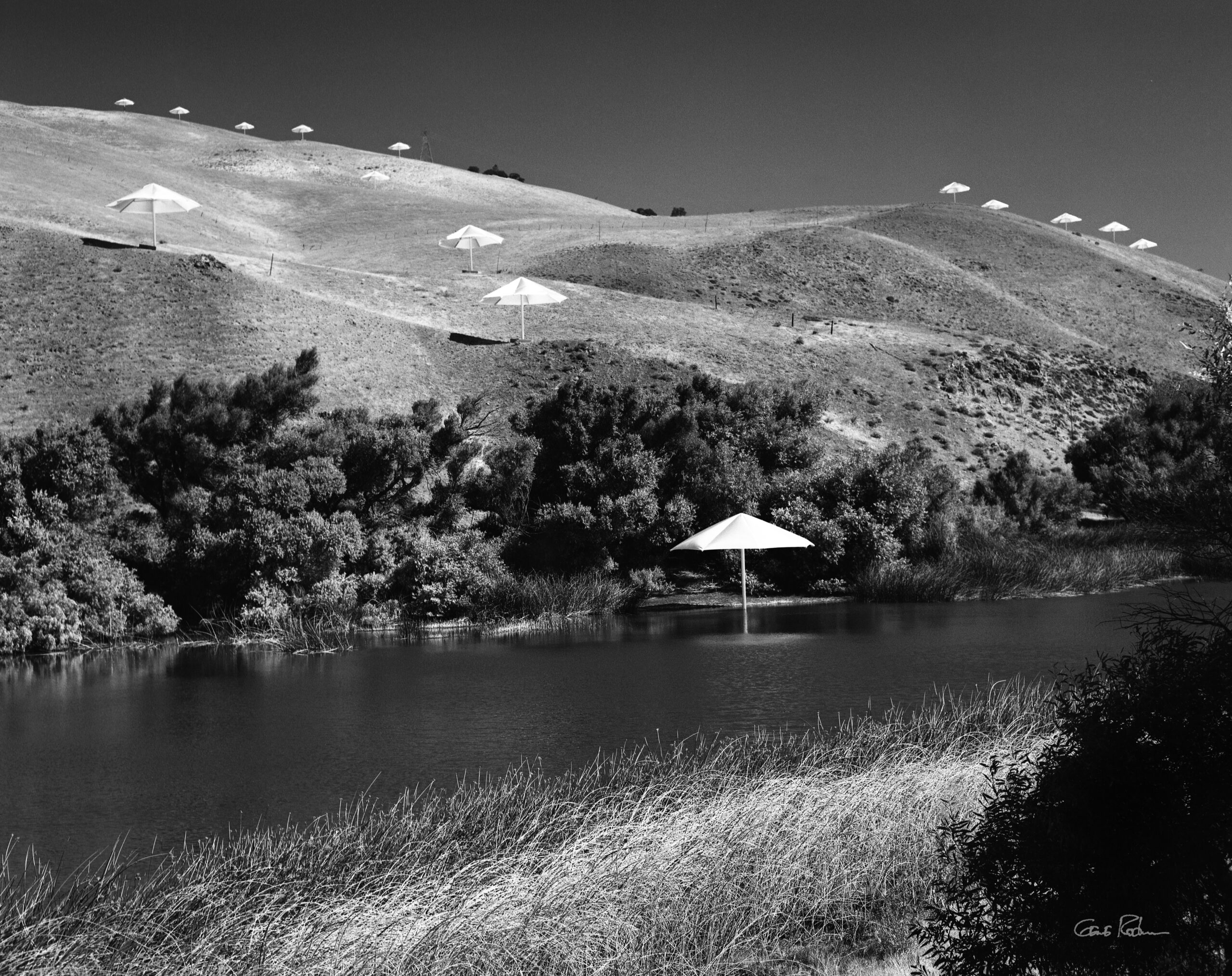
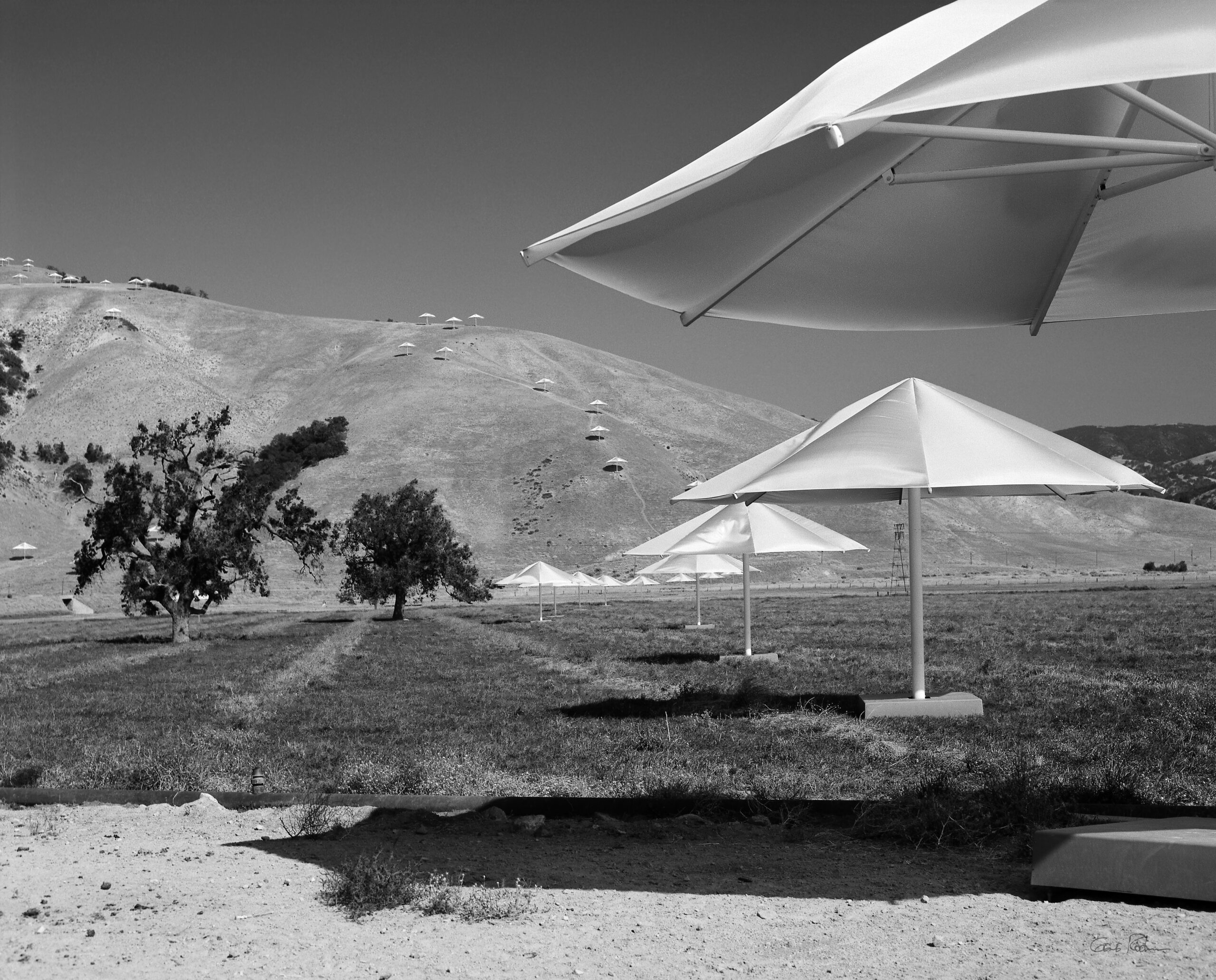
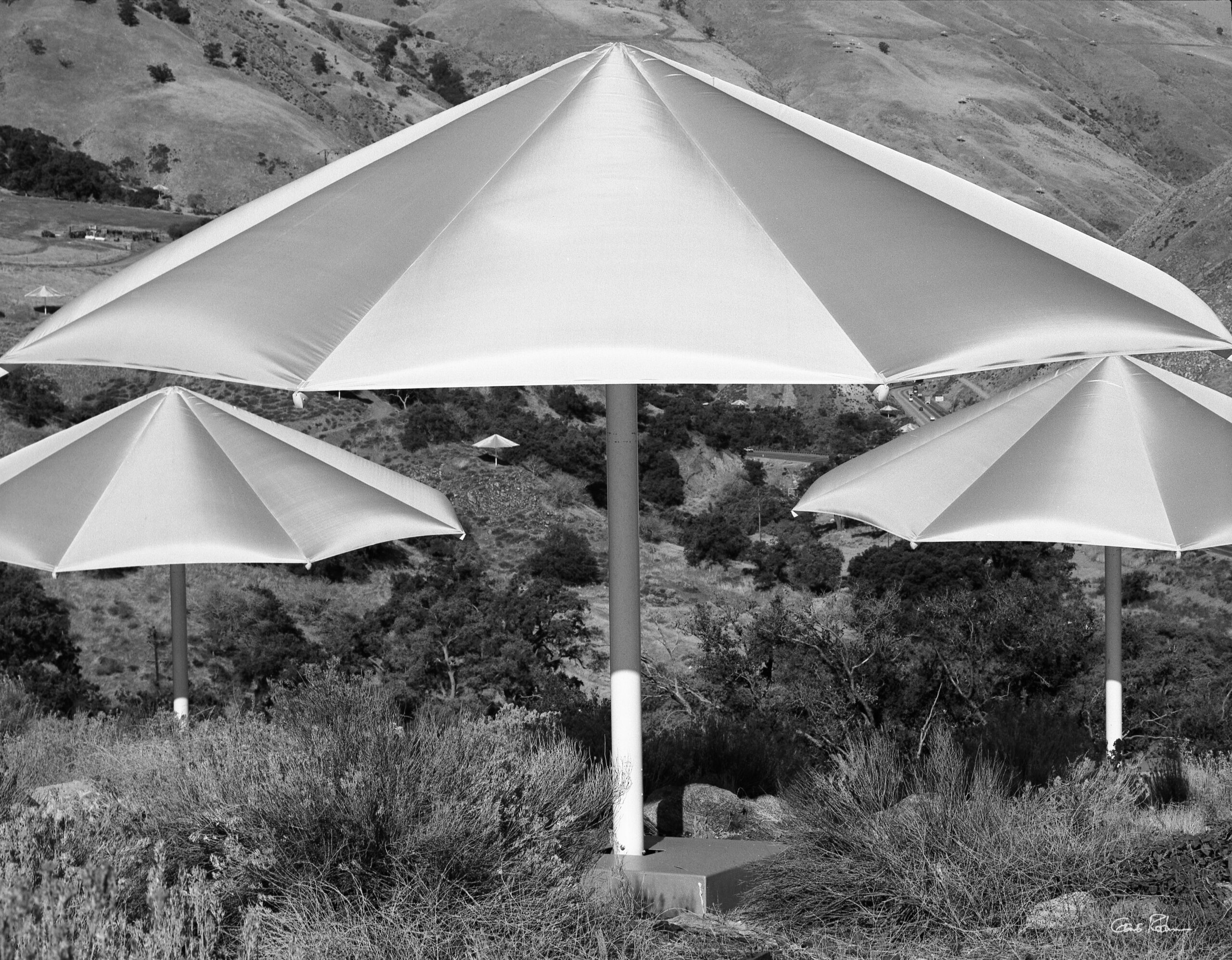
What struck me almost immediately was how naturally the compositions revealed themselves.
Nothing felt random.
Each umbrella had been placed with intention—
as if the landscape itself had been arranged.
That made it easier to see… and easier to photograph.
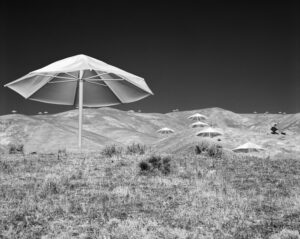
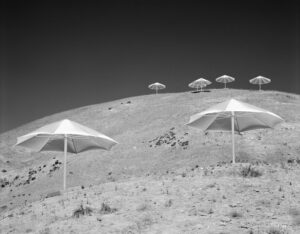
And when it was over, nothing was left behind.
The umbrellas were removed.
The materials were recycled.
The land was returned to its original state.
The work existed fully…for 18 days
and then it was gone.
The project had ended.
But something it revealed… hadn’t.
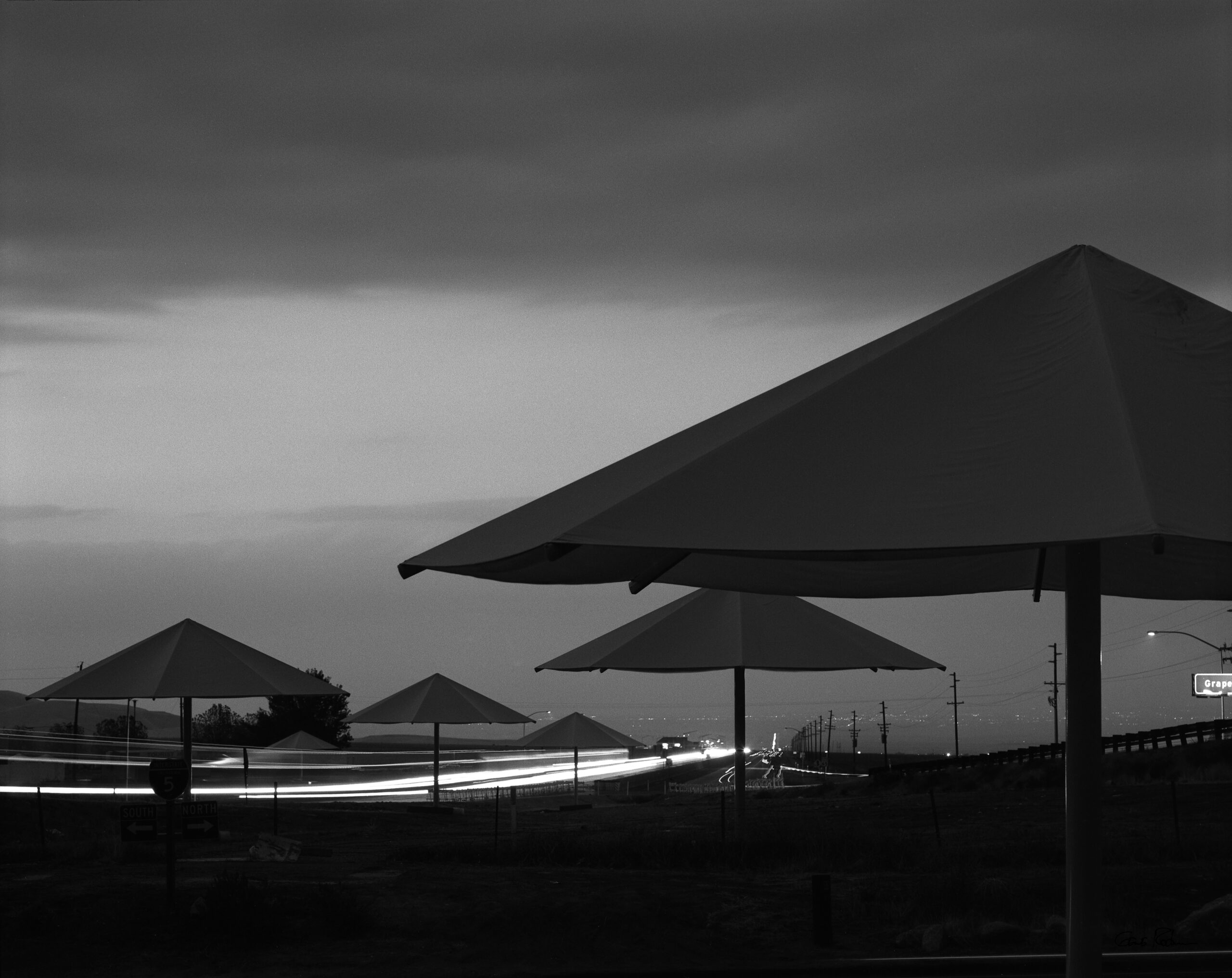
As the day came to an end and we began heading home,
I noticed one last scene along the highway—
the umbrellas in the distance,
and the blurred headlights of cars moving through the pass.
It was a quiet ending to something that, for a brief time,
had completely transformed the land.