

“You know what I mean.”
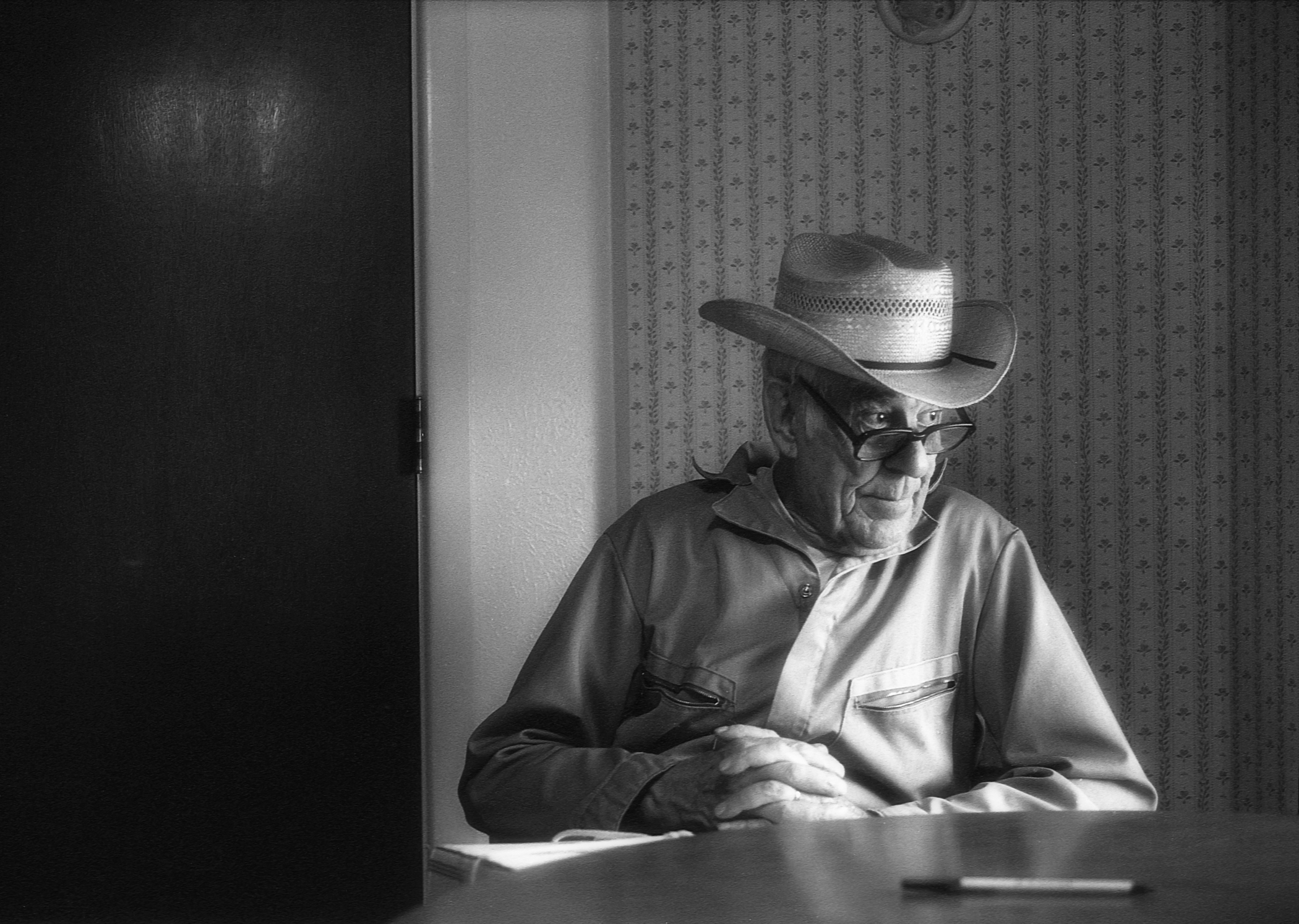
We first realized something was wrong when the highway patrol found him parked along the road at 2 a.m., out of gas. He couldn’t say who he was—only that he was trying to get home, though he was heading in the wrong direction.
When I visited soon after, he still knew me. But he could no longer recall recent memories. Instead, he spoke of his early adult life. In those conversations, I learned more about him than I ever had before.
Here, he has just finished packing items to send away—choosing names from an address book or phone directory.
He would often lose his thoughts mid-sentence. After a pause, unable to find them again, he would smile and say,
“you know what I mean.”
Dad’s Maps
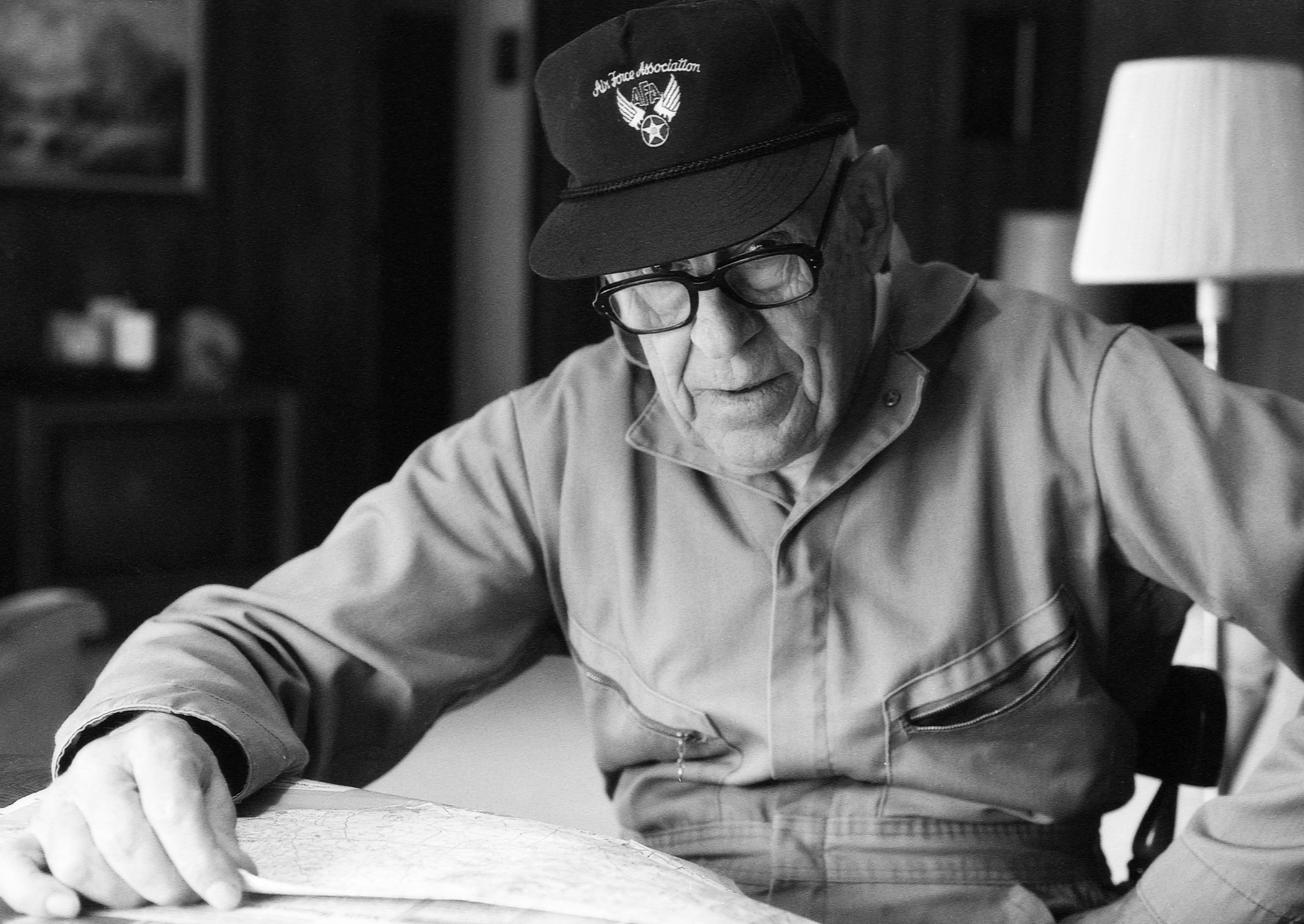
As my father’s Alzheimer’s progressed, and after his car stopped running from lack of maintenance, he began going out for walks. One night my mother woke to find him gone. The police were called, and he was found ten miles away walking along the highway.
He was often gathering things to send away, studying maps, planning to go somewhere.
He would sit and stare out the window, watching. Most of what he spoke about was from his early adult life, as much of his recent memory had faded.
I didn’t try to make him remember. Instead, I asked about whatever he was seeing or thinking, and shared each fleeting moment with him.
Mom’s Mornings
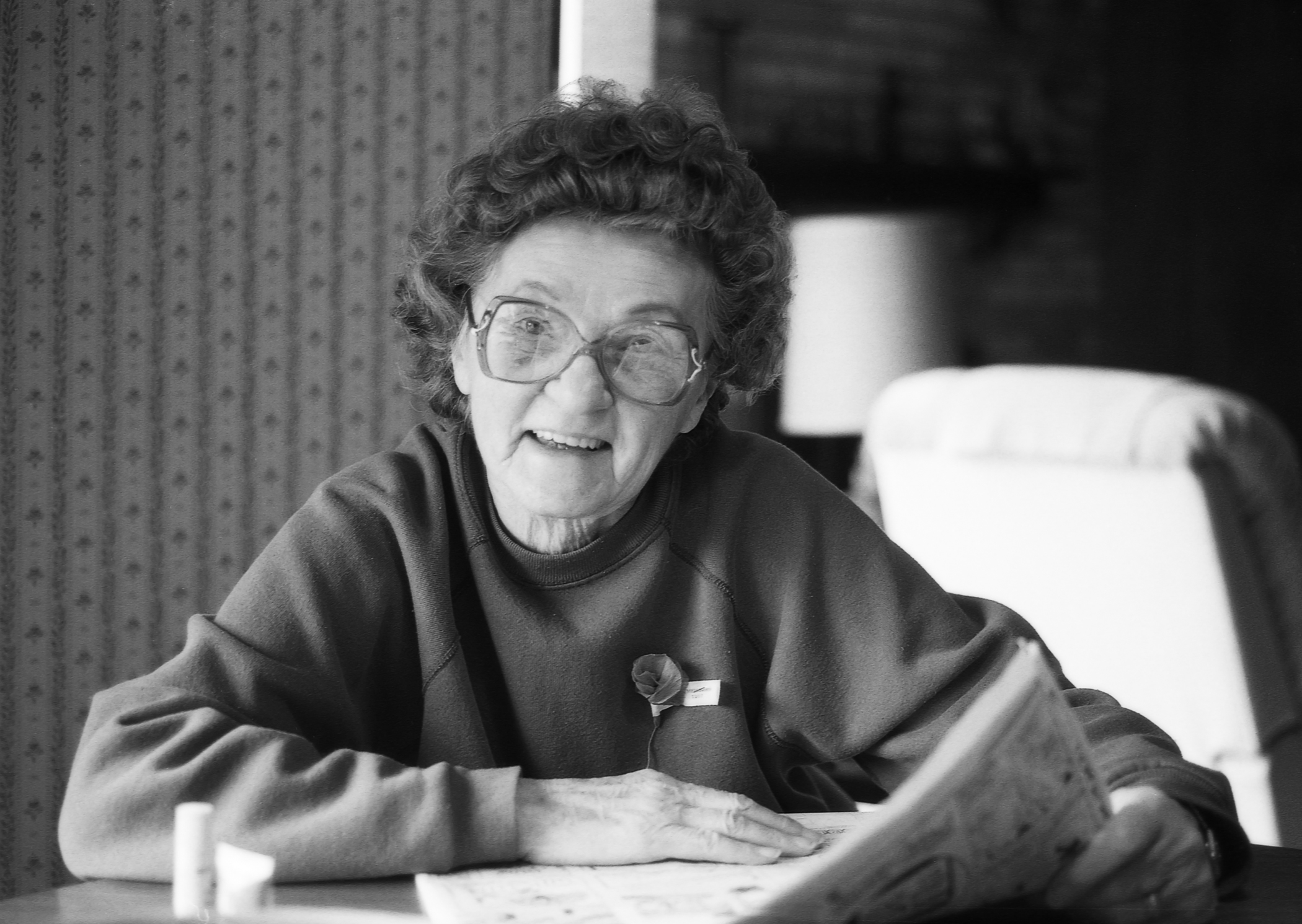
Both of my parents were early risers. My father liked his coffee “black and bitter.” My mother preferred hers with milk and sugar.
They had both been smokers when I was growing up, but quit after moving to Texas.
Each morning she would read the comics and work through her puzzles, keeping a daily calendar where she wrote down each task as she finished it.
Daily Routines
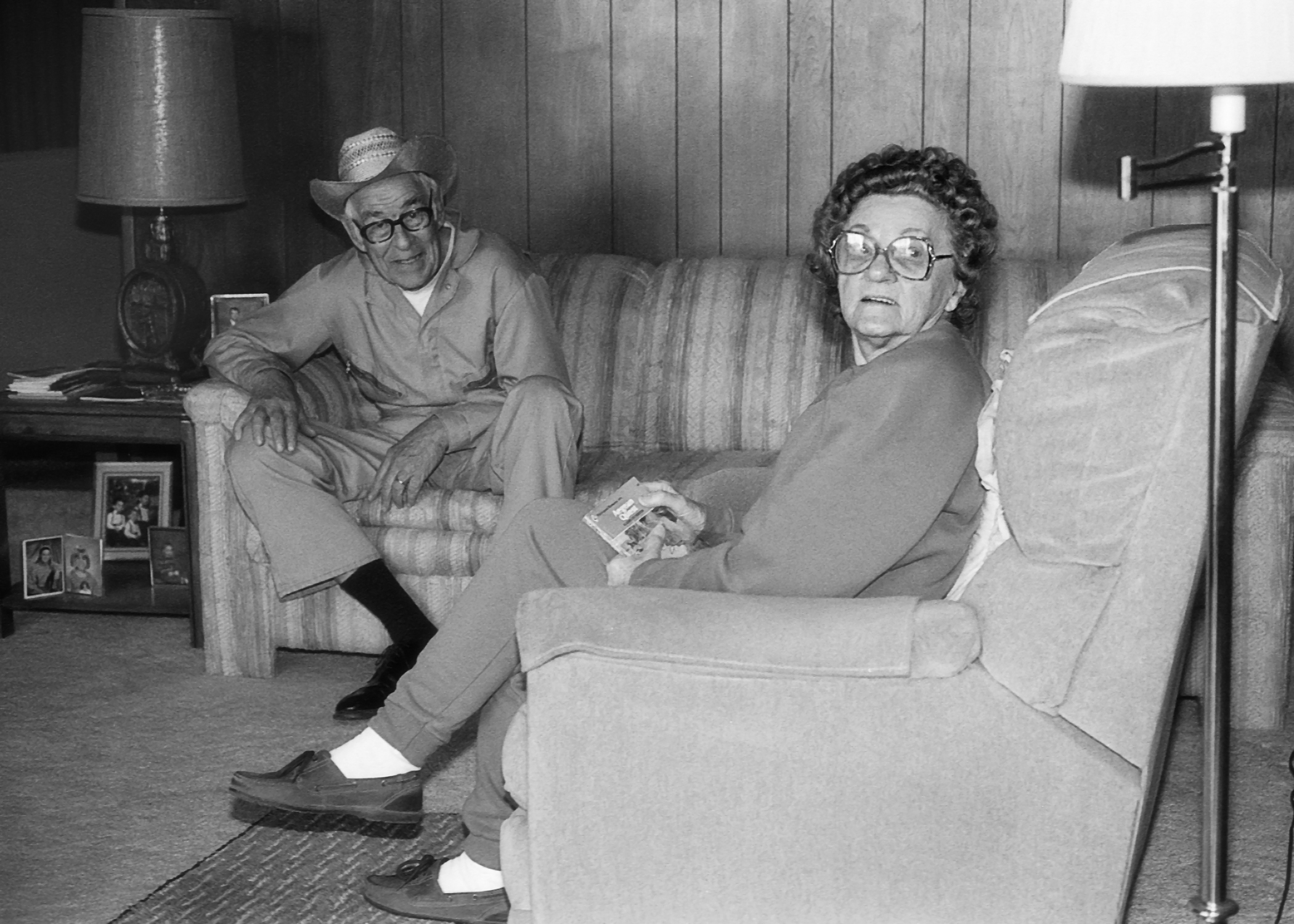
My mother was a woman of routine. There was wash day, dusting day, stripping the beds day, vacuuming day, and the weekly trip to the base for groceries.
She never learned to drive. As each of us children learned, the responsibility of taking her to the store passed down to the next.
She loved certain television shows and would stop what she was doing when they came on.
She always kept a stack of romance novels, trading them at the library when she finished. My father called them her “smut books.” Perhaps they were the only romance she had.
Kitchen Duty
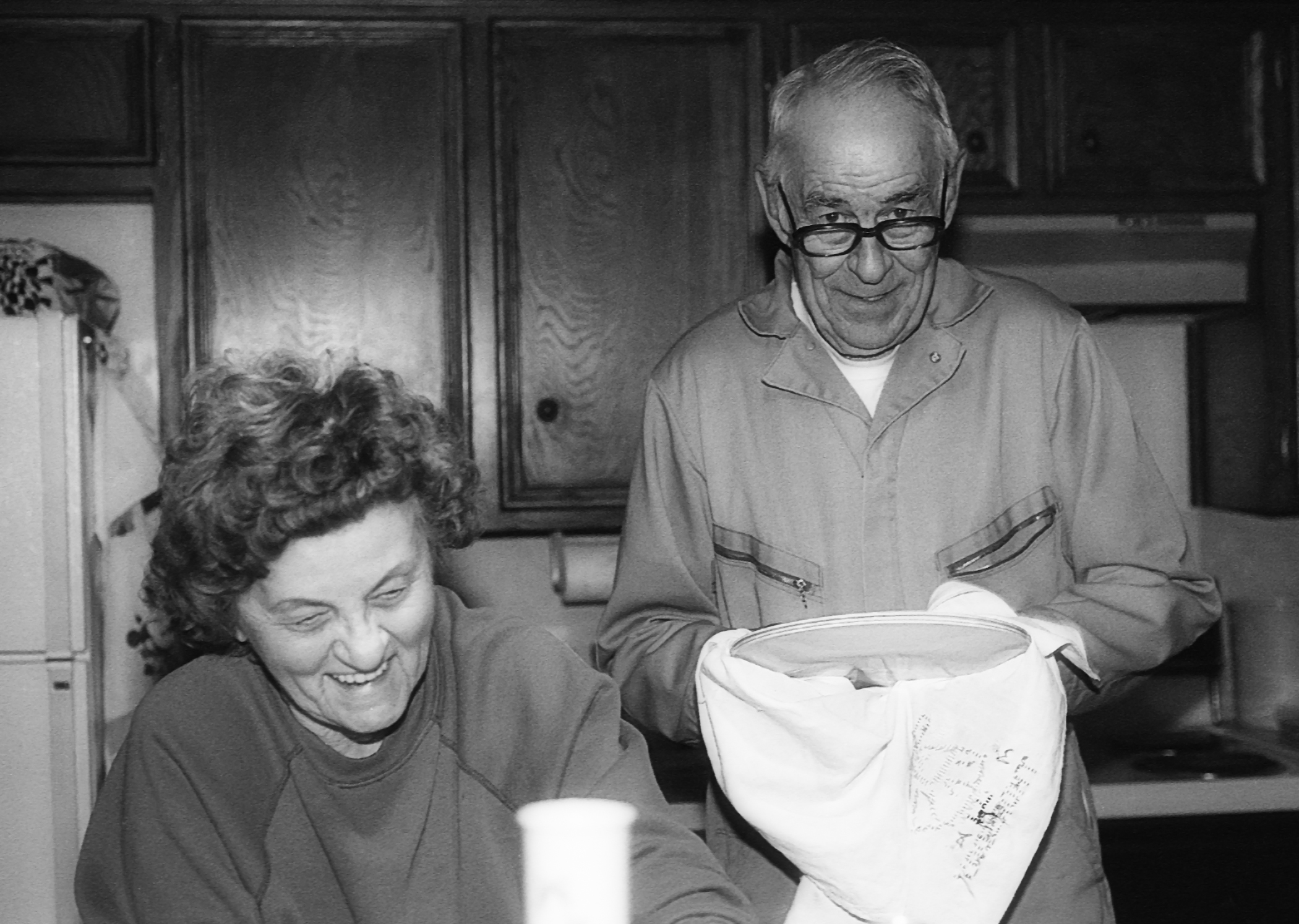
My mother had a dishwasher but only used it when all the kids were home. After we left and they moved to Texas, my father began helping more, drying dishes beside her.
They were hardworking people who never had much, but he made sure his children had what they needed. My mother still has the same dishes and small appliances from when we were little.
They endured. My mother accepted my father’s drinking because he provided, and because her faith asked her to. Every night he came home and kissed her. If they struggled, I never saw it.
Jump Suits
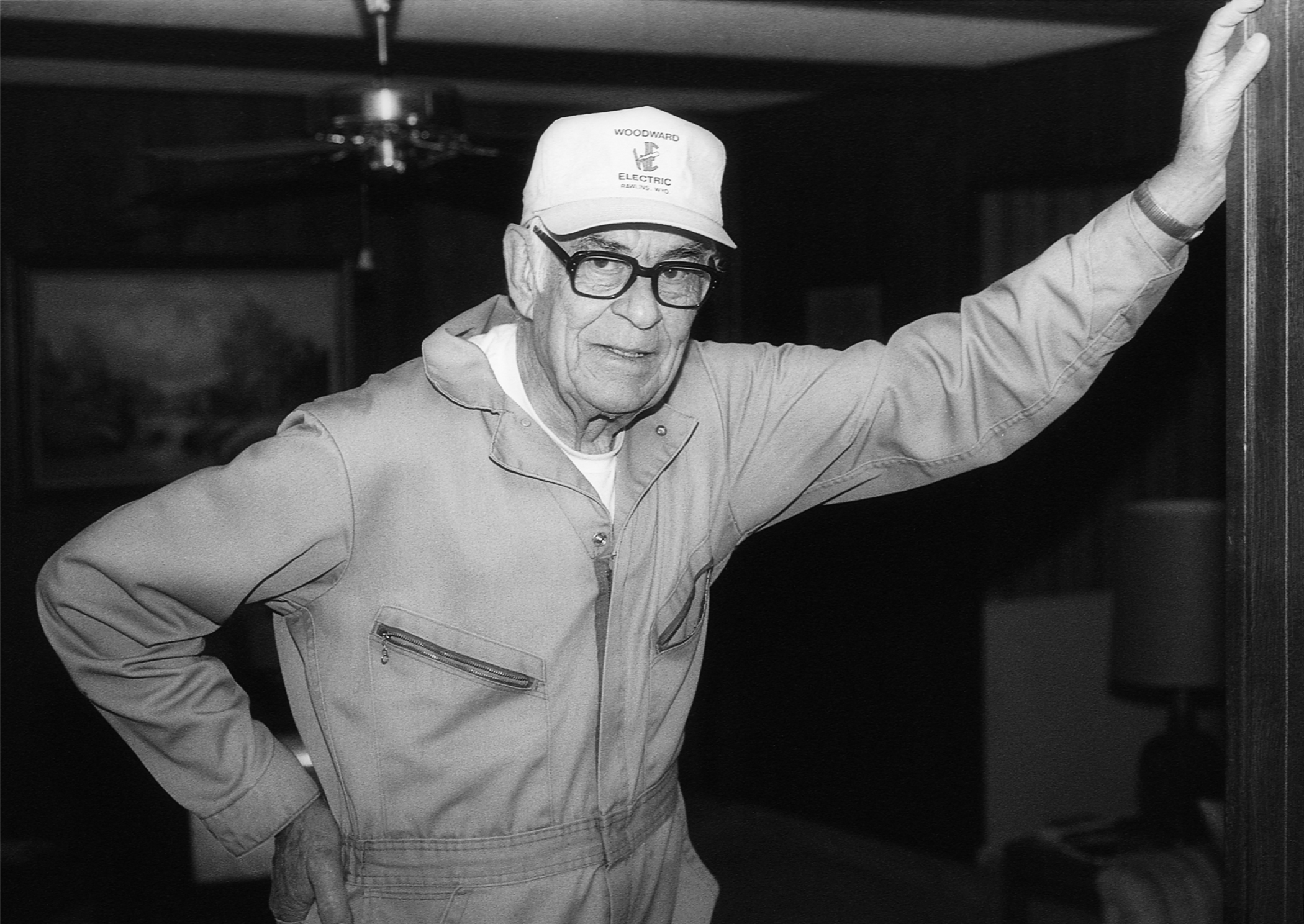
My father wore flight suits during his time in the service. When I was young, I claimed one of his old flight jackets—far too big at first, but eventually I grew into it.
After retiring from the Air Force, he began wearing jump suits and a ball cap almost every day. His Air Force blues remained in the closet, likely still there.
Even after moving into civilian work, where everyone used first names, people still called him Mr. Rodman. He had to get used to no longer being saluted.
Dad and Uncle John
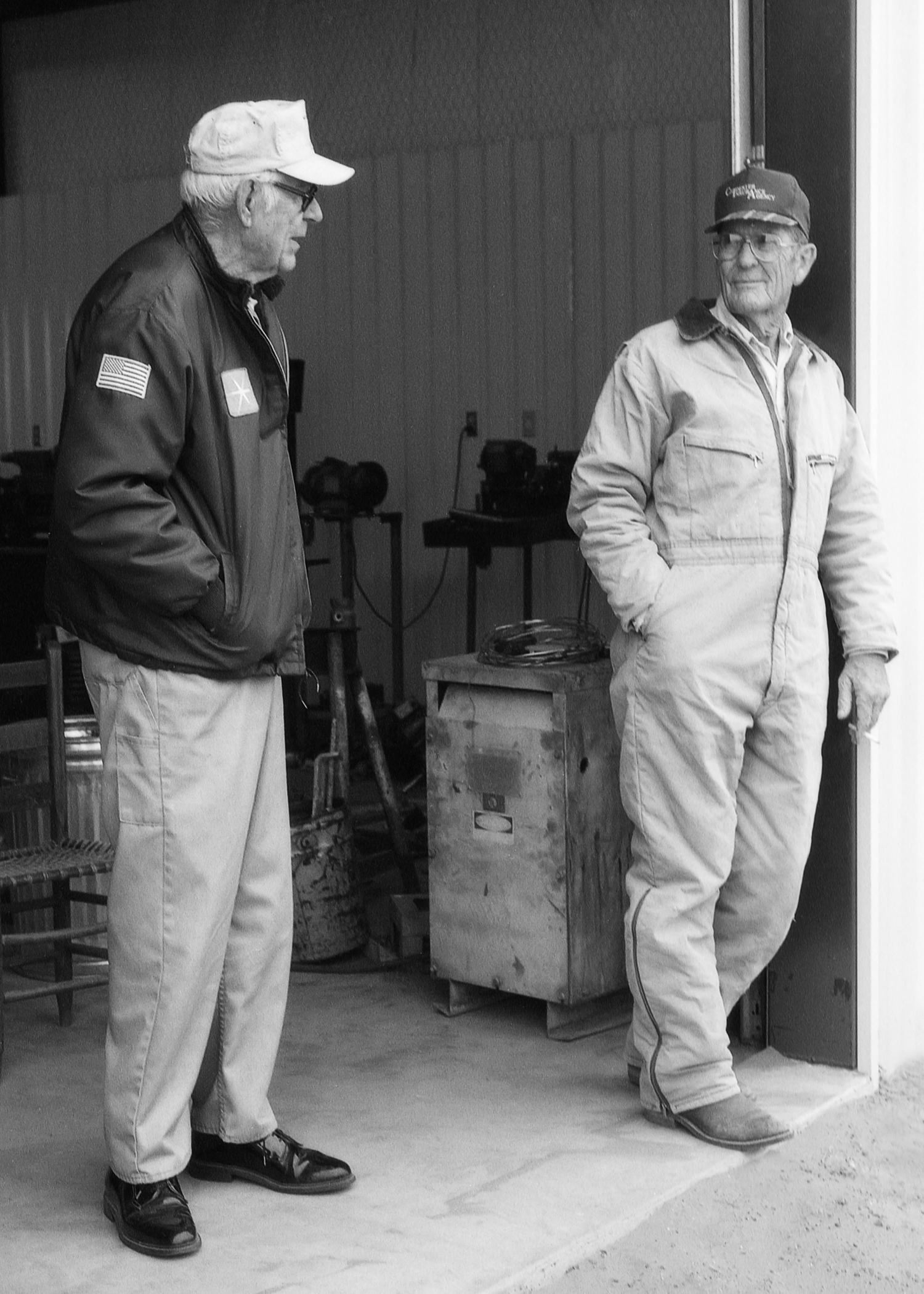
He still recognized people in ways that didn’t rely on memory. Conversations were simple, often circling familiar ground, but there was an ease in them.
Sometimes it wasn’t about what was said, but the presence of another person—standing together, sharing a moment that didn’t need explanation.
Beginning + Ending
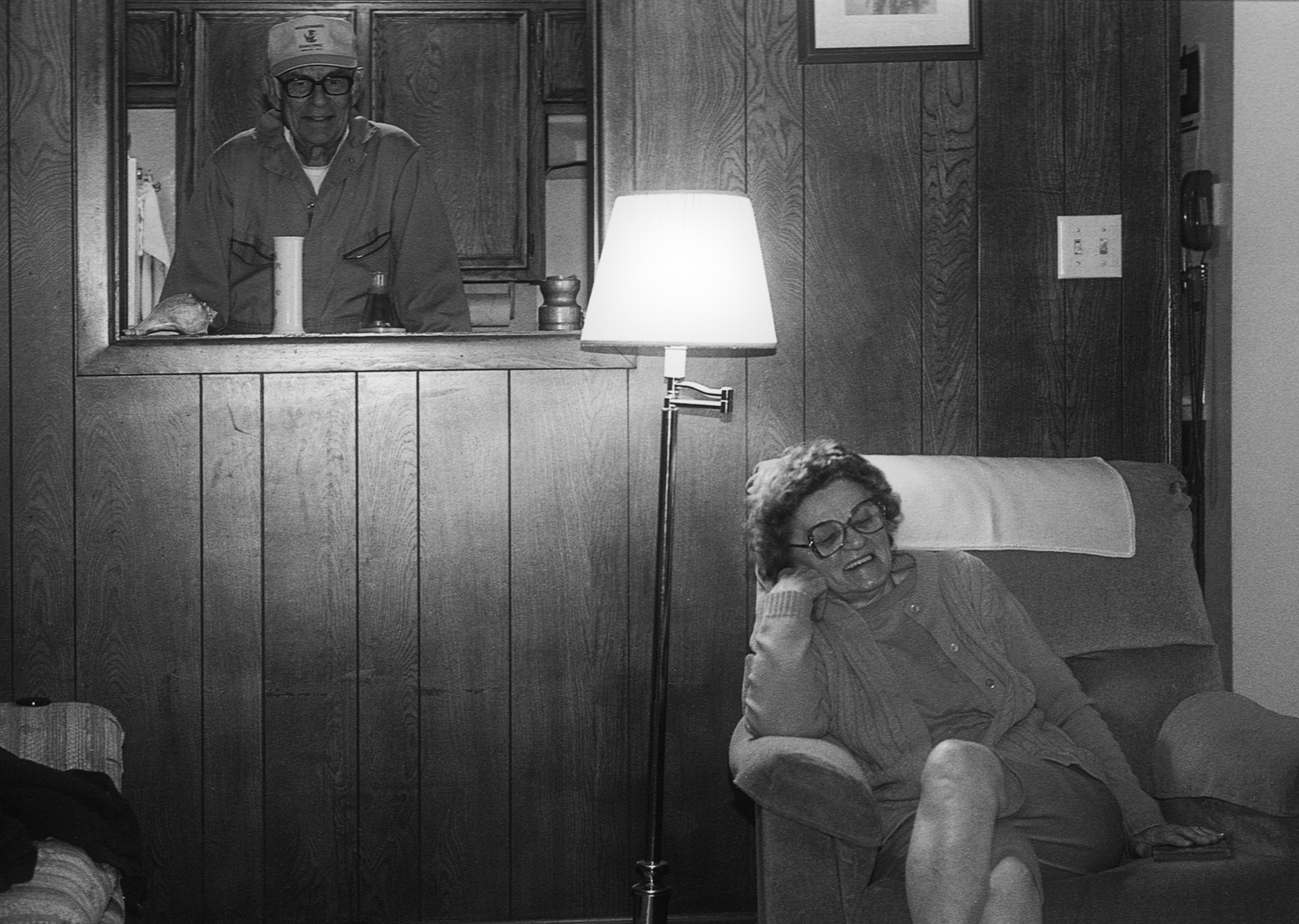
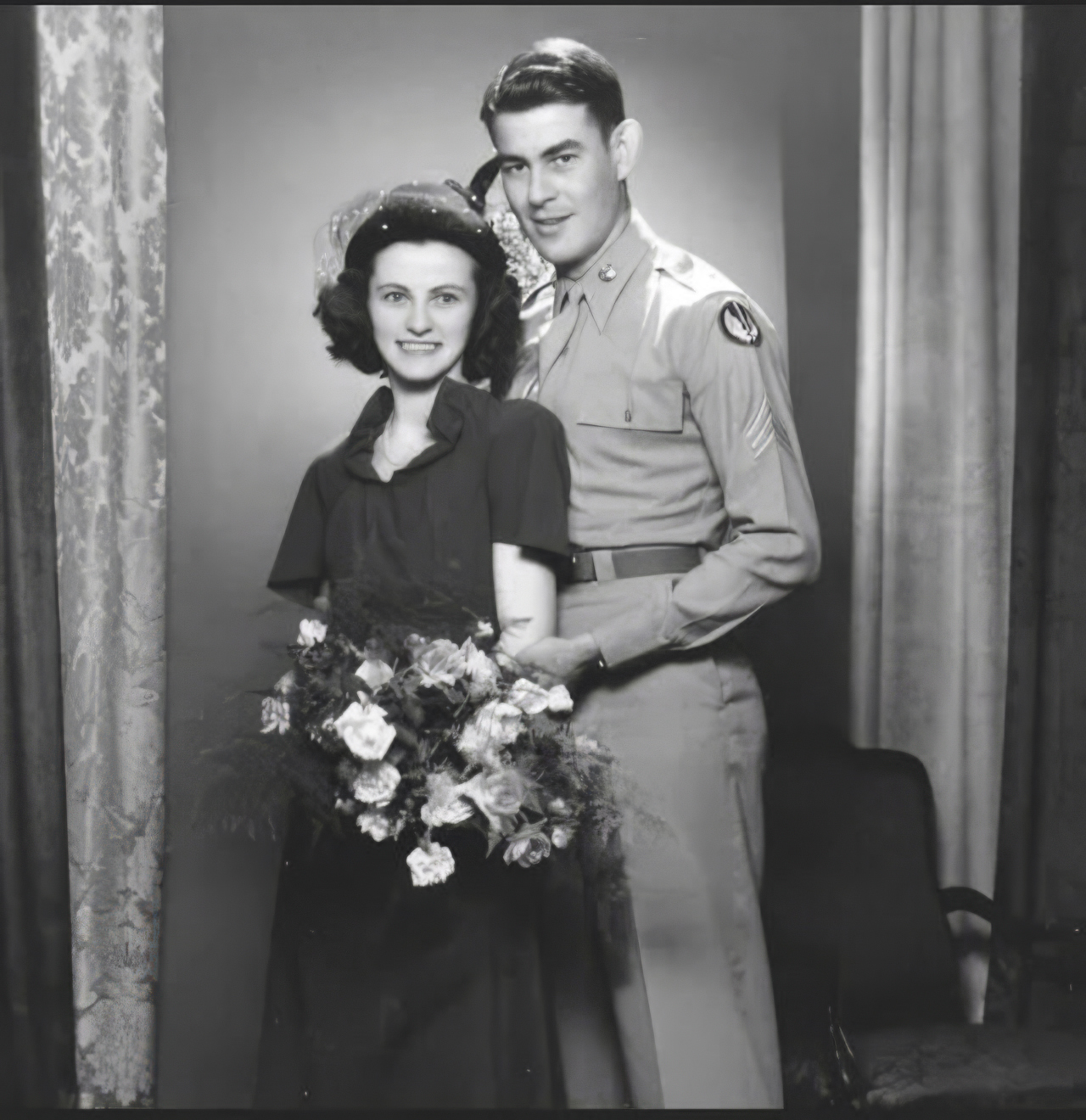
My mother’s parents came from Poland to the United States through Ellis Island. My parents met in Germany near the end of the war.
My father had left home at fifteen, an unwanted child during difficult times. My mother gave up her career when she married him and raised five children, often on her own while he was away on duty.
He never learned how to express love in words—he had no example. But I came to understand he showed it in the only way he knew: by providing.
When he became too much for my mother to care for, he was placed in a home. She had dinner with him the second night he was there.
Not one to linger or be a burden, he died that evening.